

CBN’s digital currency CBDC set for October 1
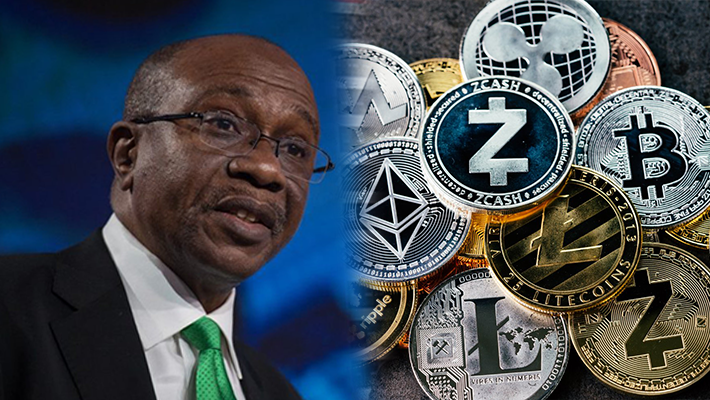
The Central Bank of Nigeria (CBN) has announced that it will launch the pilot scheme of its digital currency by October 1, 2021.
The CBN announced this during a webinar on Thursday as it presented its digital currency initiative to stakeholders.
The information technology director for the bank, Rakiya Mohammed, disclosed that CBN had been researching since 2017 to develop and adopt the digital currency.
The project called ‘GIANT’ will run on the hyper-ledger fabric blockchain, an open-source project for developing blockchain-based products, solutions, and applications used by private enterprises.
Ms Mohammed said the bank might conduct a proof of concept before the end of this year.
During the presentation, the CBN stated that about 80 per cent of central banks worldwide were currently entertaining the possibility of issuing “central bank digital currency” (CBDC), and Nigeria could not be left behind.
The financial regulatory institution maintained that the digital currency’s launch would include and allow macro-management and growth and cross-border trade facilitation.
In addition, it will also give room for financial inclusion, monetary policy effectiveness, improved payment efficiency, revenue tax collection, remittance improvement, and targeted social intervention.
The CBN initiative came as countries across the globe have shown interest in adopting the trade of digital assets.
African countries with officially recognised digital assets include South Africa with the digital Rand and Ghana’s e-cedi.
In February, Nigeria banned the trading of cryptocurrencies as the CBN directed banks and other financial institutions to close down customers’ accounts related to the trading of digital assets, despite Nigeria being the world’s second-largest bitcoin trading market.
It argued that cryptocurrency trading increased the risk of loss of investments, money laundering, terrorism financing, and other crimes.

We have recently deactivated our website's comment provider in favour of other channels of distribution and commentary. We encourage you to join the conversation on our stories via our Facebook, Twitter and other social media pages.

More from Peoples Gazette

States
Independence: NBA urges Nigerians to expect better future
The NBA said that ordinary Nigerians should be deriving benefit from the subsidy removal rather than hardship.

Agriculture
FG tasks ECOWAS on leveraging financing strategies for agroecology
The federal government has urged stakeholders in the agriculture and finance sectors in the West Africa region to leverage financing strategies to enhance agroecology practices

Politics
Katsina youths pledge to deliver over 2 million votes to Atiku
“Katsina State is Atiku’s political base because it is his second home.”
Politics
LG Elections: OYSIEC opens registration portal for ad hoc staff recruitment
Registration for the required positions will run from October 5 to October 20, 2026.

Diaspora
Trump moves to revoke U.S. citizenship of two Nigerians, 38 others
The prosecutors accused the 58-year-old of applying for immigration benefits under two different identities.
Economy
Nigeria rises four places to eighth in 2026 Bloomberg Economics Investment Risk-O-Meter
The growth was attributed to the economic policies of the Tinubu administration.

Heading 4
Longest-serving Republican speaker Dennis Hastert, soiled by allegations of molesting high school athletes, dies at 84
The deceased, who was speaker from 1999 until 2007, was sentenced in 2016 to more than a year behind bars.

Anti-Corruption
Witness reveals how funds were moved to private accounts in ex-Taraba governor’s trial
The judge adjourned the matter till October 6, 2026, for continuation of the evidence of PW3.

Education
JAMB moves to adopt UTME centre in Canada for 2027
The board said the centre would enable eligible Nigerians living in Canada to take the UTME without travelling to Nigeria.


